Age-appropriate yoga gives children, teenagers and older adults a safe, enjoyable way to move, rest and build confidence in Kathmandu.
Yoga does not need to look the same at every age. A young child who learns through movement and imagination, a teenager under academic pressure, and an older adult wanting steadier, more comfortable movement all arrive with different needs.
That is why age-specific yoga matters. It is not about making yoga easier or harder. It is about adapting pace, language, posture choices and the atmosphere of the class so that people can participate safely and feel comfortable doing so.
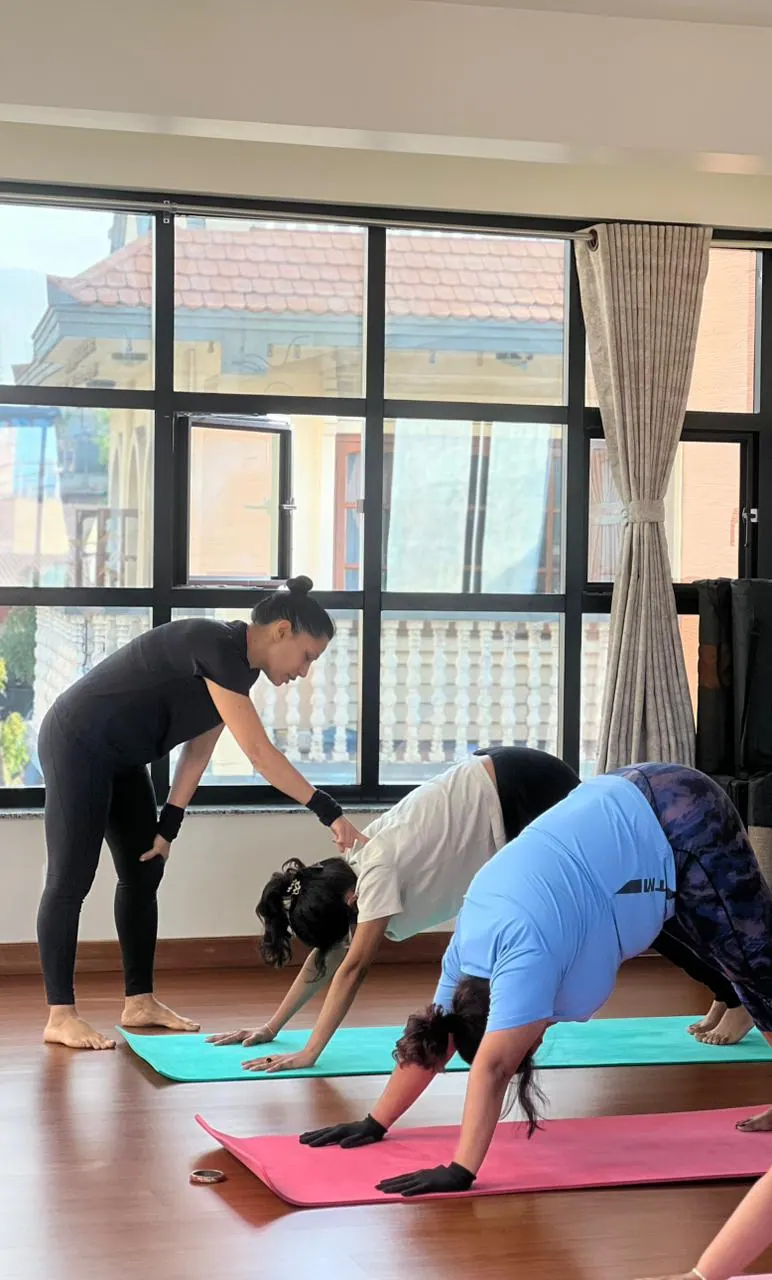
At Yogmandu in Mid-Baneshwor, Kathmandu, we offer yoga for specific groups, including children's, school and senior classes. The aim is practical: help people move with awareness, settle their attention and enjoy a regular practice that suits their stage of life.
Why age-specific yoga matters
A standard adult yoga class may include longer poses, detailed alignment cues, sustained quiet and a pace that assumes a certain level of body awareness. That can work well for many adults, but it is not automatically the right format for everyone.
Children often need variety, imagination and frequent changes of activity. Teenagers may need a space that feels private, non-judgemental and free from pressure to perform. Older adults may benefit from slower transitions, chair-supported options and more time to find a comfortable position.
The principle is simple: yoga should meet the person in front of the teacher.
Age-specific classes can adapt:
- Language — simple, playful language for younger children; clear and respectful guidance for teenagers and adults.
- Pace — shorter activities for children and slower transitions for older adults.
- Postures — options that consider growth, mobility, balance, joint comfort and confidence.
- Purpose — play and body awareness for children, calm and self-acceptance for teenagers, and steady functional movement for older adults.
- Environment — a class culture where no one needs to compete, keep up or prove flexibility.
Yoga for young children
For younger children, yoga is usually most effective when it feels like play rather than an exercise lesson. A good class may use animal shapes, stories, songs, breathing games and simple partner activities. A child might stretch tall like a tree, curl up like a seed or move through a short story using different poses.
The purpose is not to make children hold a difficult posture for a long time. It is to help them notice how their bodies move, practise simple coordination, take turns and experience moments of calm.
Long holds, strict alignment corrections and advanced postures are generally not the point. Children are still growing, and their bodies differ greatly from adult bodies. They should never be pushed into deep stretches or treated as miniature adult yoga students.
A well-run children's yoga class gives children permission to be curious. If a pose becomes frustrating or uncomfortable, the teacher should offer another option rather than insist on a particular shape.
Yoga is one activity among many rather than a complete answer to a child's activity needs. NHS guidance on physical activity for children and young people sets out how much daily activity is recommended, and a weekly yoga class is a useful part of that rather than a substitute for running about.
### What parents should look for
When choosing a teacher or programme for a child, look beyond impressive-looking poses. A suitable teacher should understand that children need a different approach.
Look for someone who:
- Uses age-appropriate games, stories and simple instructions.
- Encourages participation without forcing a child to perform.
- Makes safety and comfort more important than flexibility.
- Keeps sessions varied and reasonably short.
- Knows how to manage a group calmly and kindly.
- Communicates clearly with parents or school staff.
- Avoids pushing children into deep backbends, extreme stretches or advanced inversions.
The best sign is often simple: children leave feeling pleased, settled and willing to come back.
Yoga for teenagers
Teenage years can bring rapid physical change, academic demands, social pressure and more time spent looking at screens. A yoga class cannot remove those pressures, but it can give a young person a regular place to move, breathe and step away from comparison for a while.
Teenagers may notice tight shoulders, a stiff neck or a rounded posture after long periods of study or phone use. Gentle mobility work, simple strengthening and rest can help them become more aware of how they sit, stand and move. Our guide to desk yoga for back, neck and shoulder pain covers much of the same ground for adults who sit all day.
Just as important is the atmosphere. Teenagers can be especially sensitive about body image and ability. A non-competitive class matters. Students should not be praised for being the most flexible, asked to copy a difficult posture without alternatives, or made to feel that yoga has one "correct" body type.
A supportive class can include:
- Gentle movement for the back, shoulders and hips after sitting.
- Simple breathing practices that are taught without pressure.
- Balance and strength work adapted to the group.
- Rest at the end of class.
- Space to practise without comparison or judgement.
Yoga is not a replacement for mental-health support when that is needed. But a calm, well-taught class can be one useful part of a teenager's routine, alongside sleep, friendships, family support and appropriate professional care.
What yoga looks like in schools
A school yoga programme is not simply an adult studio class moved into a classroom. It needs to fit the age group, timetable, available space and school culture.
A typical session inside the school day may include a short settling activity, gentle movement, a few accessible standing or seated poses, a breathing game or quiet pause, and a brief rest. Younger groups may use stories and imaginative movement. Older students may prefer more direct language around posture, concentration and recovery after study.
The school does not need a special yoga room to begin. A safe, clean area with enough room for students to move without bumping into one another is often enough. Comfortable clothing, reasonable ventilation and a clear timetable also help. If students use mats, the school should plan where they will be stored and cleaned.
School programmes can also include teachers and staff. Staff who spend long hours standing, teaching, marking or working at computers may value a gentle session designed around movement, posture awareness and rest.
Our school programmes can be shaped around the school's practical setting rather than expecting the school day to change around yoga.
Yoga for older adults
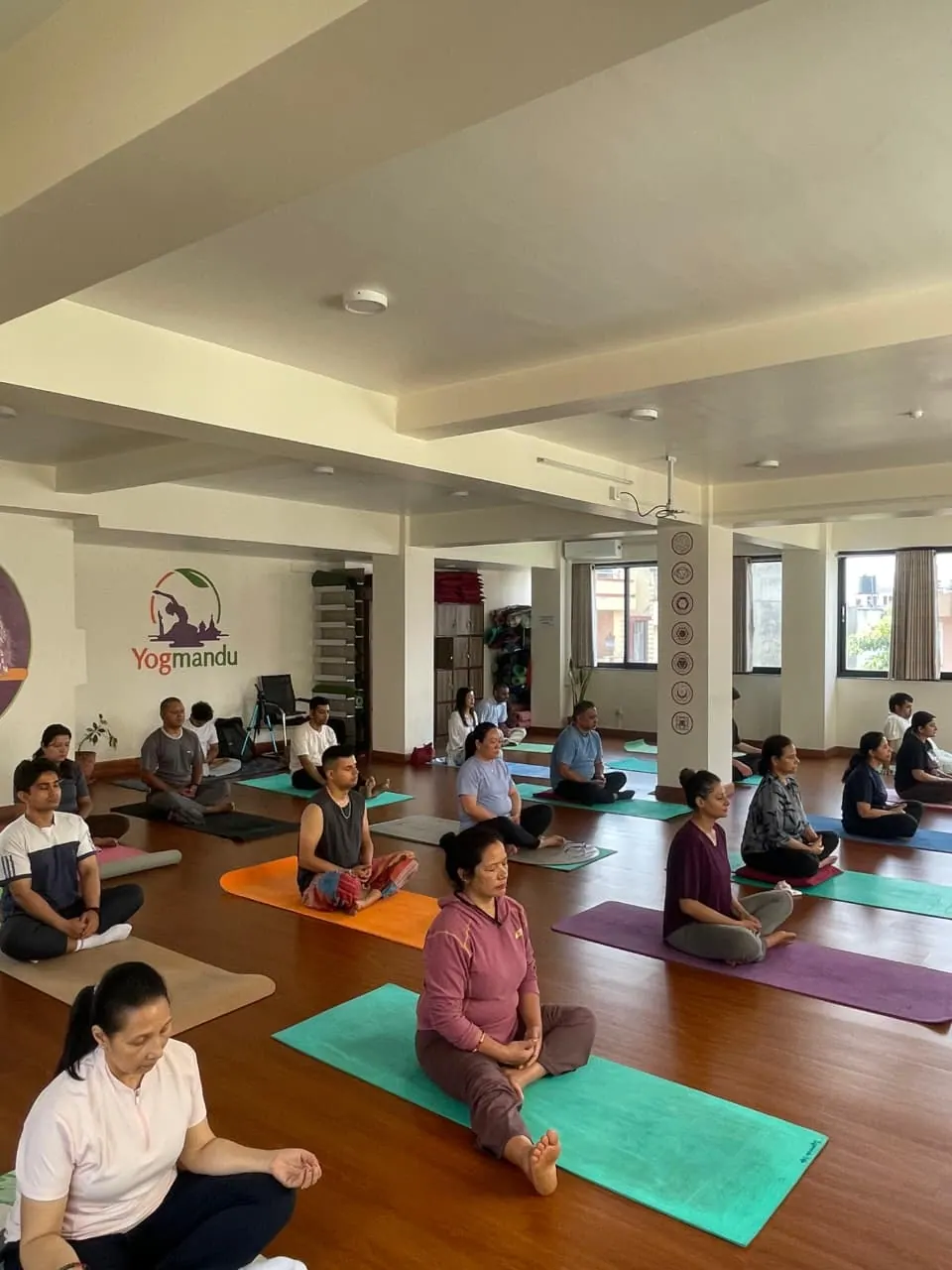
For older adults, yoga can be a way to keep moving at a measured pace, practise balance and feel more at ease in everyday movement. The focus is not on achieving complex poses. It is on working with the body that someone has today.
A senior-focused class may include chair-supported movement, standing poses near a wall or chair, gentle mobility for the shoulders and hips, light strengthening and longer pauses between activities. Teachers can offer several versions of the same movement so that people can choose what feels stable and comfortable.
Balance is especially relevant because it is part of daily independence: getting up from a chair, walking on uneven ground, using stairs or carrying something while moving around the home. NHS guidance on physical activity for older adults recommends including activities that improve strength and balance on at least two days a week, and yoga can contribute to that alongside walking and other movement.
Older adults may also appreciate a slower pace. There is time to ask questions, adjust position, use a chair and rest when necessary. A good class does not treat rest as failure.
### Important safety considerations
Yoga can be adapted, but it is not appropriate to ignore health concerns. Older adults with osteoporosis, a joint replacement, significant balance problems, glaucoma or a heart condition should speak with their clinician before beginning or changing an exercise programme.
The teacher should also know about relevant limitations before class starts. That information helps them suggest safer options, such as avoiding certain positions, using a chair or changing the range of movement.
No class can promise to prevent falls, cure pain or produce a particular medical outcome. The more useful promise is a careful one: people can be offered supported, manageable movement and encouraged to work within their own limits.
Our senior citizens' yoga is designed with this slower, practical approach in mind.
How we approach this at Yogmandu
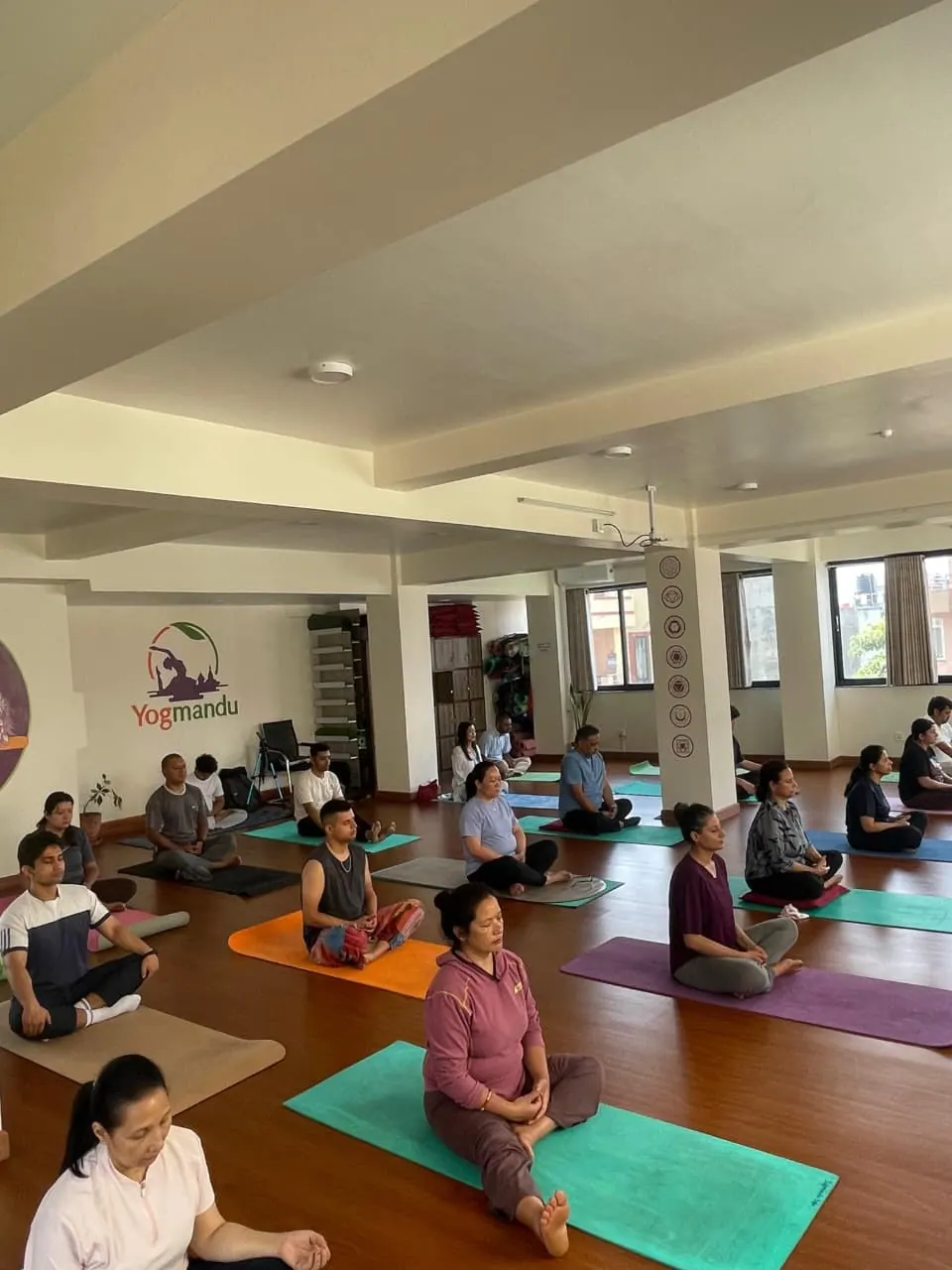
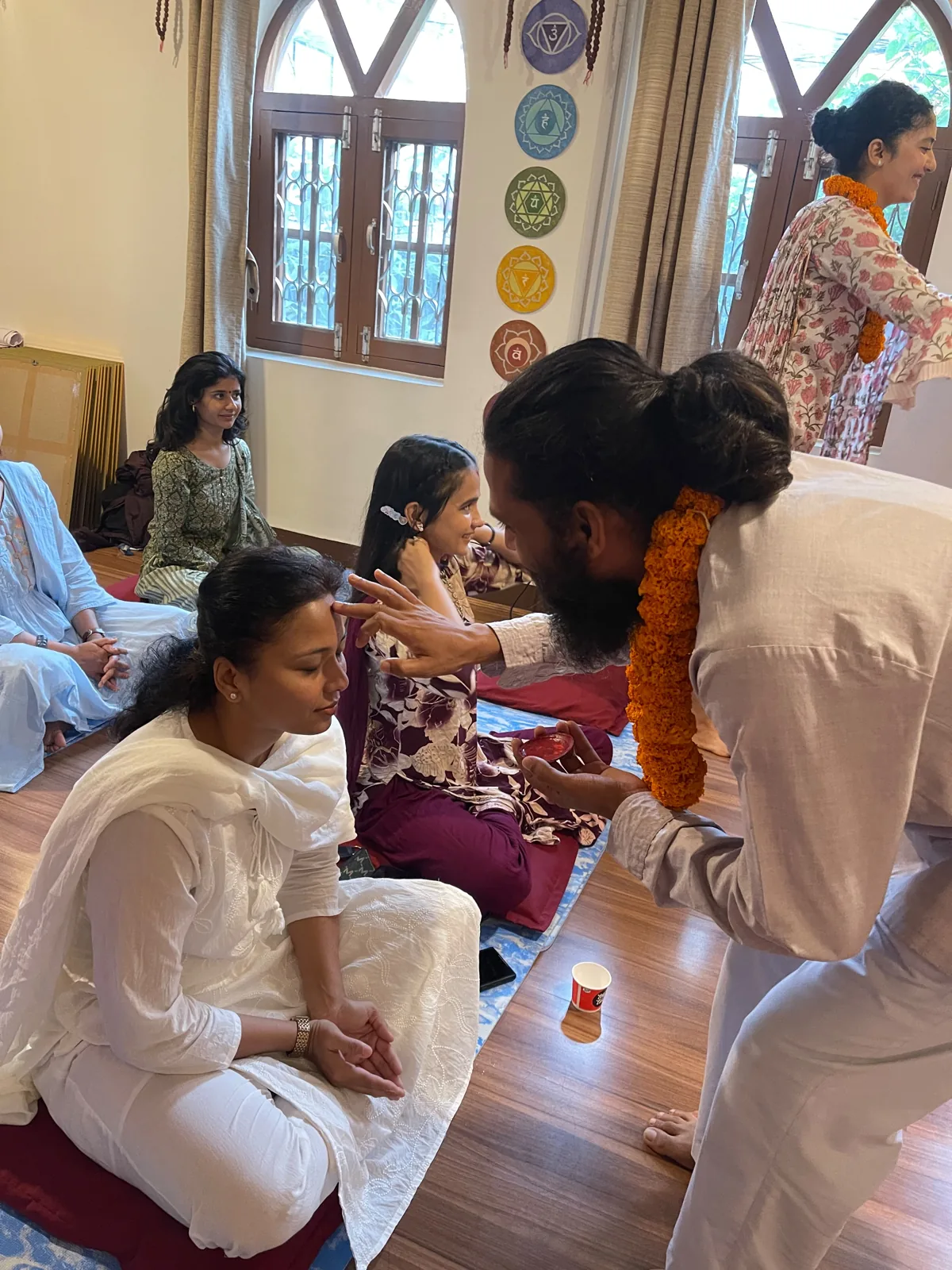
At Yogmandu, we begin with the group rather than a fixed sequence. A children's class needs energy, imagination and clear boundaries. A teenage group needs privacy, choice and a setting where no one is judged by flexibility. A senior class needs time, support and options that respect each person's mobility.
Our teachers encourage people to notice discomfort and choose an alternative rather than push through. For children, this means keeping movement enjoyable and avoiding pressure around difficult poses. For older adults, it can mean working with a chair, reducing the range of movement or taking more rest.
We also work with schools and families to understand the setting before planning a programme. Whether the class is for pupils, staff, a mixed family group or older adults, the intention is to make yoga useful, approachable and appropriate for the people taking part.
If you are new to all of this yourself, our guide to your first yoga class covers what to expect before you walk in.
Frequently asked questions
### Is yoga good for children?
Yoga can be a positive activity for children when it is taught in an age-appropriate, enjoyable and non-pressured way. Classes should focus on movement, coordination, imagination and simple calming practices rather than deep stretching or advanced poses.
### What age can a child start yoga?
There is no single right age. Very young children usually benefit from short, playful sessions, while older children may enjoy more structured movement and relaxation. The important factor is that the class is designed for their developmental stage.
### Can yoga help teenagers dealing with exam stress?
Yoga may give teenagers a regular opportunity to move, rest and practise simple breathing or relaxation. It should not be presented as a cure for stress or a substitute for counselling, medical care or other support when those are needed.
### What does a school need to provide for yoga sessions?
A school generally needs a safe, clean space with enough room for students to move, a clear schedule and support from staff. Mats can be useful but are not always essential, depending on the planned activities and floor surface.
### Is chair yoga suitable for older adults?
Chair-supported yoga can be a useful option for people who prefer extra stability, have difficulty getting to the floor or want a gentler starting point. A teacher can adapt movements to the person and setting.
### Should an older adult speak to a doctor before starting yoga?
It is sensible to speak with a clinician first if the person has osteoporosis, a joint replacement, balance problems, glaucoma, a heart condition or another health concern that could affect exercise. They should also tell the teacher about relevant limitations before class.
---